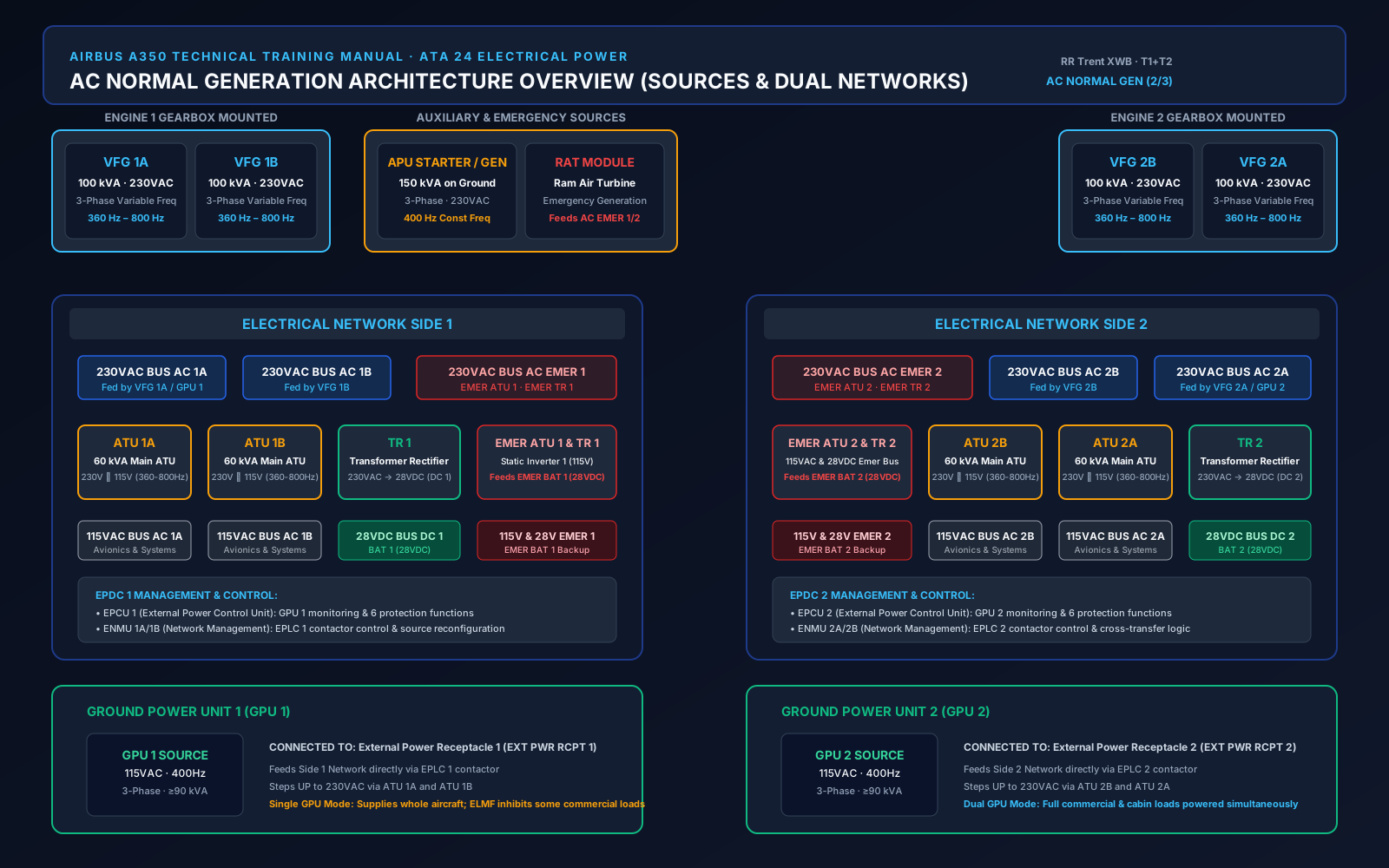
Airbus A350 AC Normal Generation: ATA 24 Architecture, VFGs, ATUs & GPU Sources
· 20 min read
Technical description of the Airbus A350 AC normal generation system (ATA 24): dual-network electrical architecture, four 100 kVA Variable Frequency Generators, four reversible 60 kVA Auto Transformer Units, 150 kVA APU Starter Generator, and 90 kVA Ground Power Units per technical training manual.
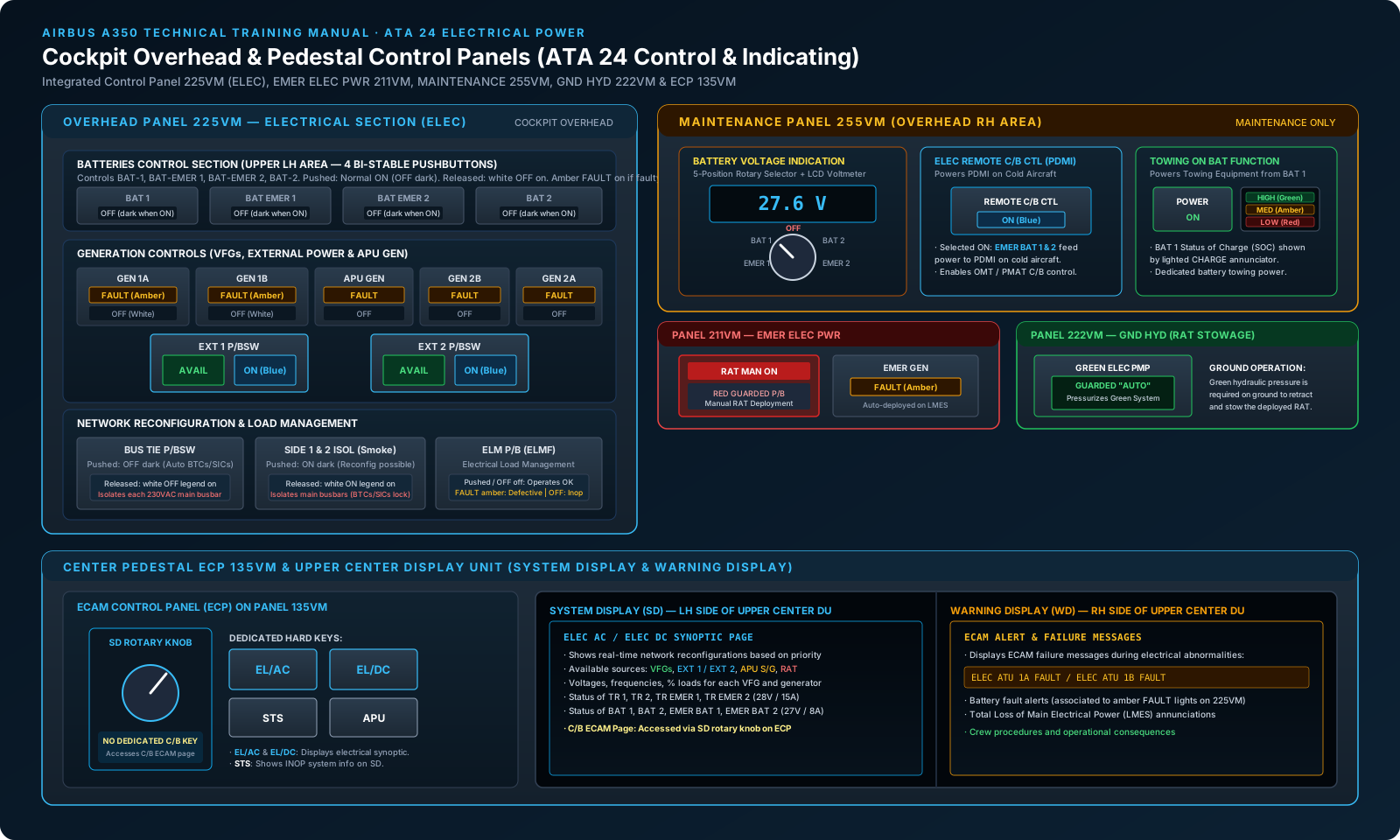
Airbus A350 Electrical Power Control: ATA 24 Indicating, Sources & Reconfiguration
· 22 min read
Comprehensive technical guide to Airbus A350 Electrical Power Control (ATA 24): overhead panels 225VM/211VM/255VM, GPU & APU sources, ECAM indications, PDMI electronic C/B management, and RAT ground stowage.
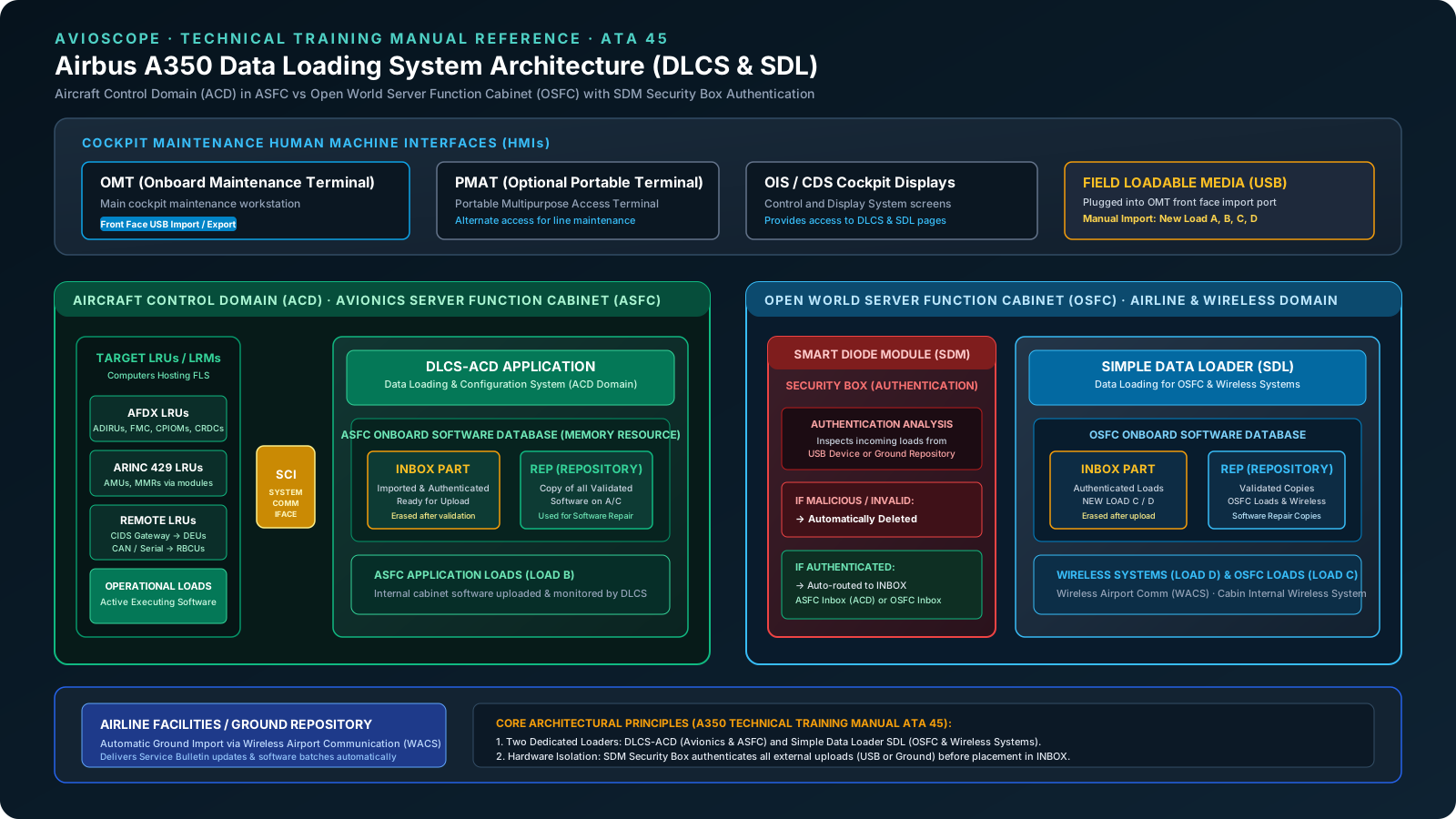
Airbus A350 Data Loading System: DLCS, SDL & ATA 45 Architecture Explained
· 18 min read
Understand the A350 Data Loading System: DLCS-ACD in the ASFC, Simple Data Loader in the OSFC, Smart Diode Module authentication, INBOX/REPOSITORY partitions, software repair vs upgrade workflows, and N/N-1/N-2 configuration validation.
Airbus A350 Flight Control System Explained: From Sidestick to Surface Movement
· 18 min read
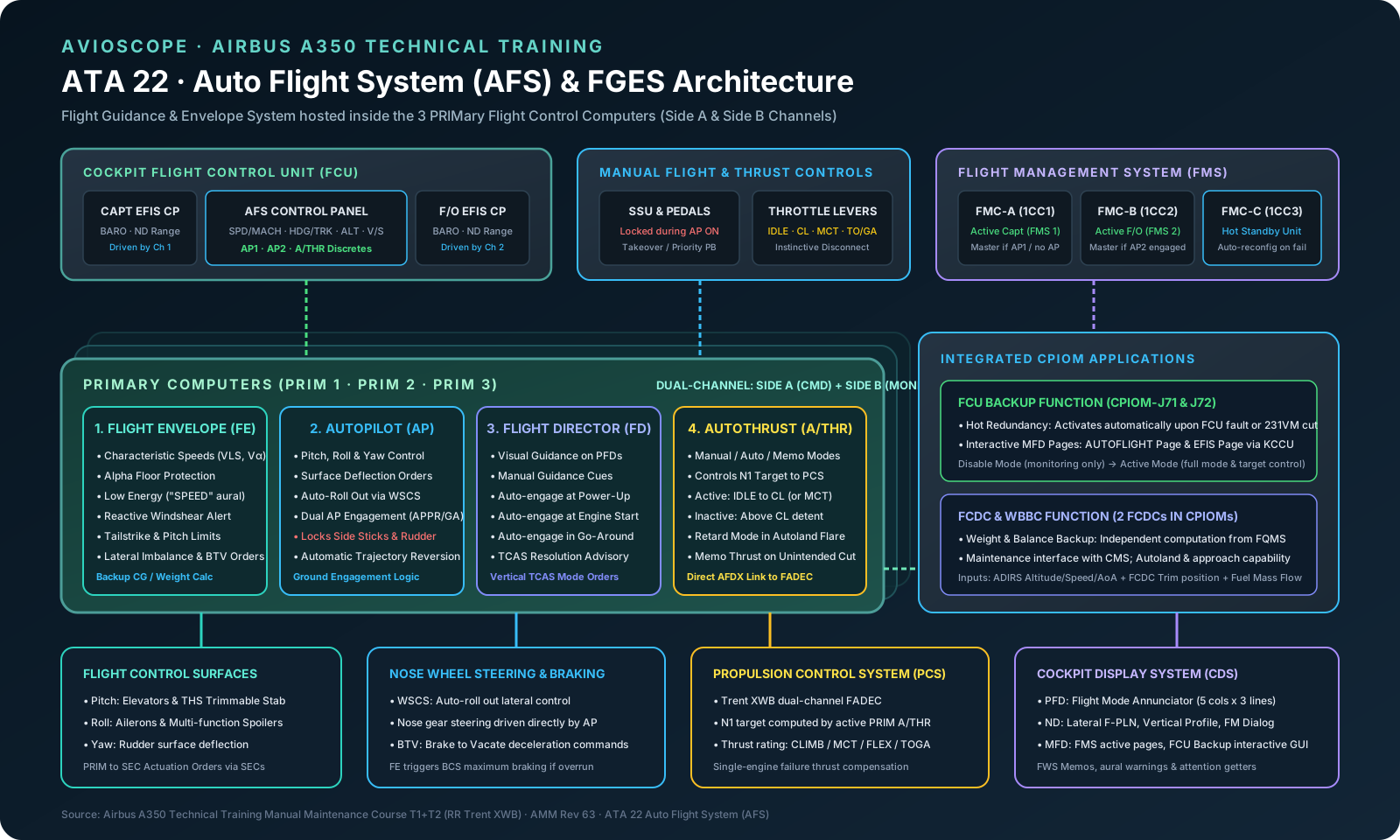
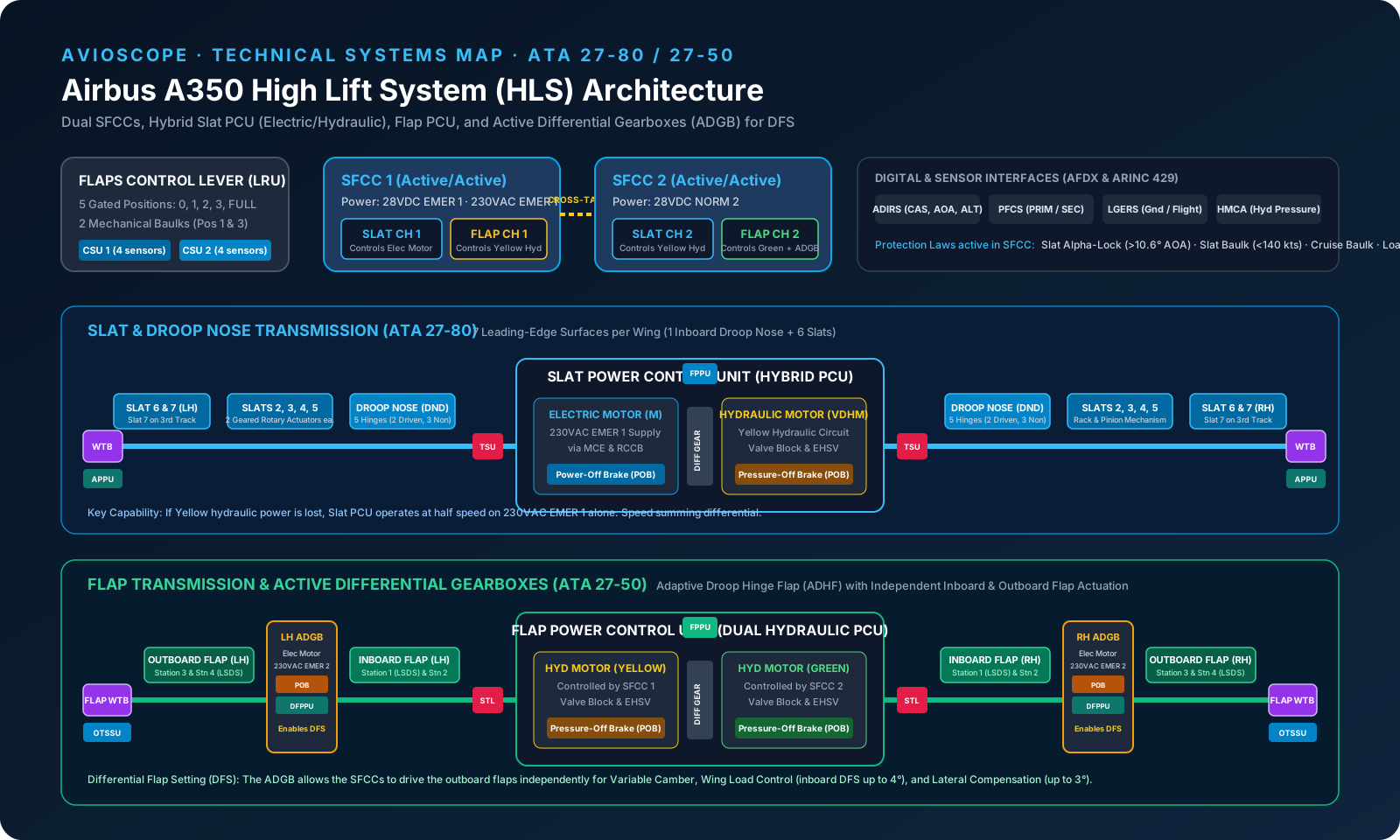
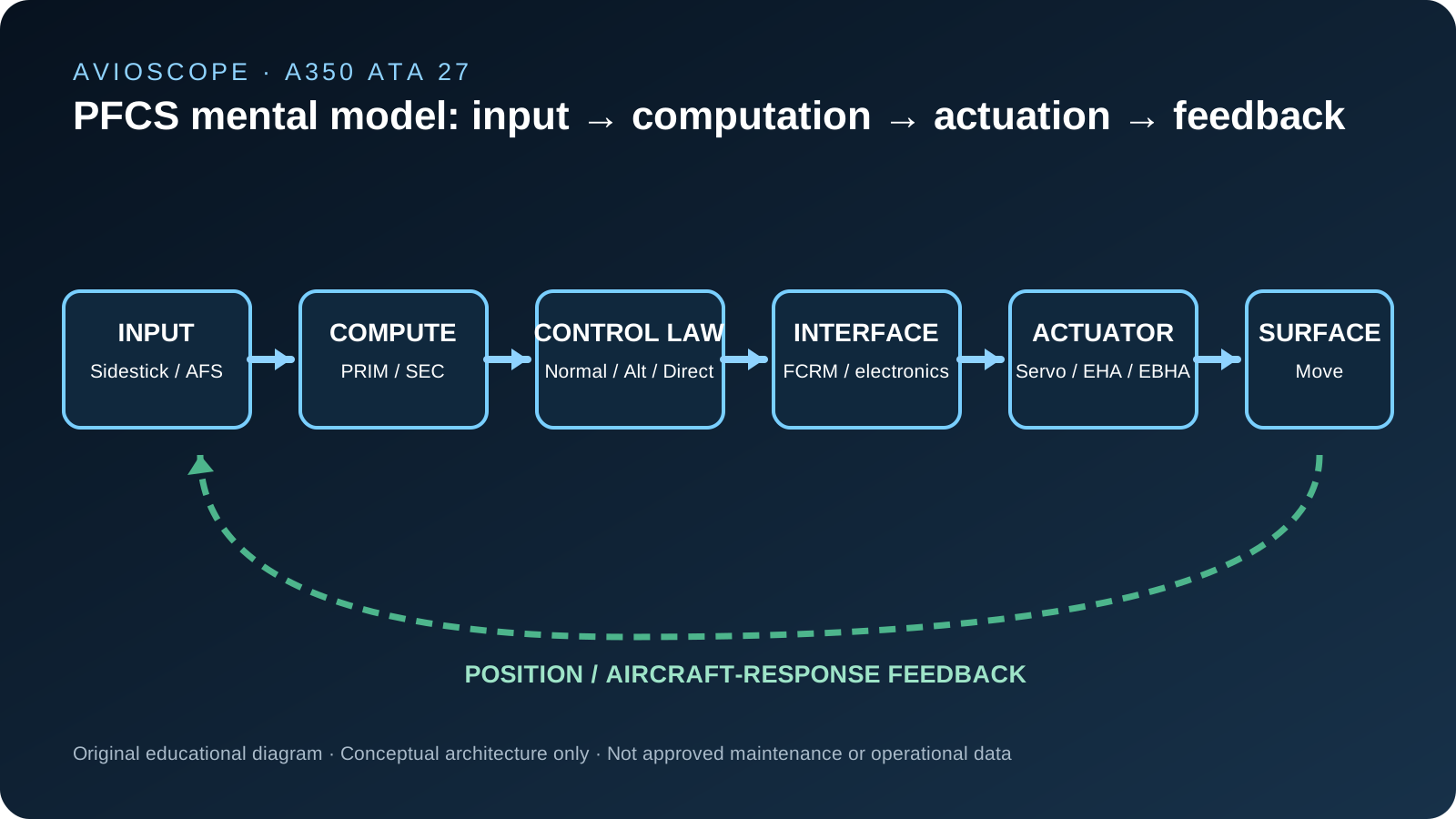
Understand the A350 PFCS as one chain from pilot or Autopilot demand through PRIM/SEC computation, control laws, EHA/EBHA actuation, feedback and High Lift functions.
Have a technical question, a better way to explain this system, a field-experience insight or an idea for an interactive scenario? AvioScope is being developed progressively, and informed community input can help shape future lessons, simulations and refresher learning.
Future AvioScope Academy programmes are intended to be developed against the applicable aviation-authority requirements for their specific approval path, while drawing on internationally recognised ICAO competency-based training principles where appropriate. Full courses and refresher learning may be offered as the Academy develops; no EASA, FAA, UK CAA, Part-147 or equivalent approval is claimed unless explicitly stated for a specific course.
Share a question or idea with AvioScope ↗These articles are supplementary technical learning material at a high-intermediate to expert reading level. They are not approved Type Training, maintenance instructions, or a substitute for current approved maintenance and operational data.

.jpg)